The Perfect Pen, Part 2 (3 or 4?)

Many moons ago, I wrote about my rabid quest to find the perfect pen. Not a surprising thing for a writer who grew up from a kid who luxuriated in books, notepads, and all things literary and written. Would you believe I still have 6 books from my 6th grade Scholastic Books summer reading list? I remember my anticipation of the arrival of my order, and how I would immediately set about smelling the pages to determine which book I would read first.

Yes, I still smell books, and am drawn to the thicker and smellier ones! And I write every day in my journal, and read, usually 2 or three books at a time. I have a house full of books (a bitch to dust), some of which I even use as side tables in my living room.

Back to pens. The quest has ended! Can you believe it?

First, about the future of pens. It is numbered. And this I lament for all the kids who will never have the luxury of feeling a pen on paper, smelling its ink, and trying to always improve their handwriting. (Handwriting? What’s that you say?) The world of AI and smart devices is, and probably mostly has, replaced the writing tools I grew up with. I feel truly sorry for them.

For me? Pens will never go away. Nor will my notepads or my paper books (Red faced and truth be told, I do succumb to reading on my Kindle when I’m on my elliptical machine).
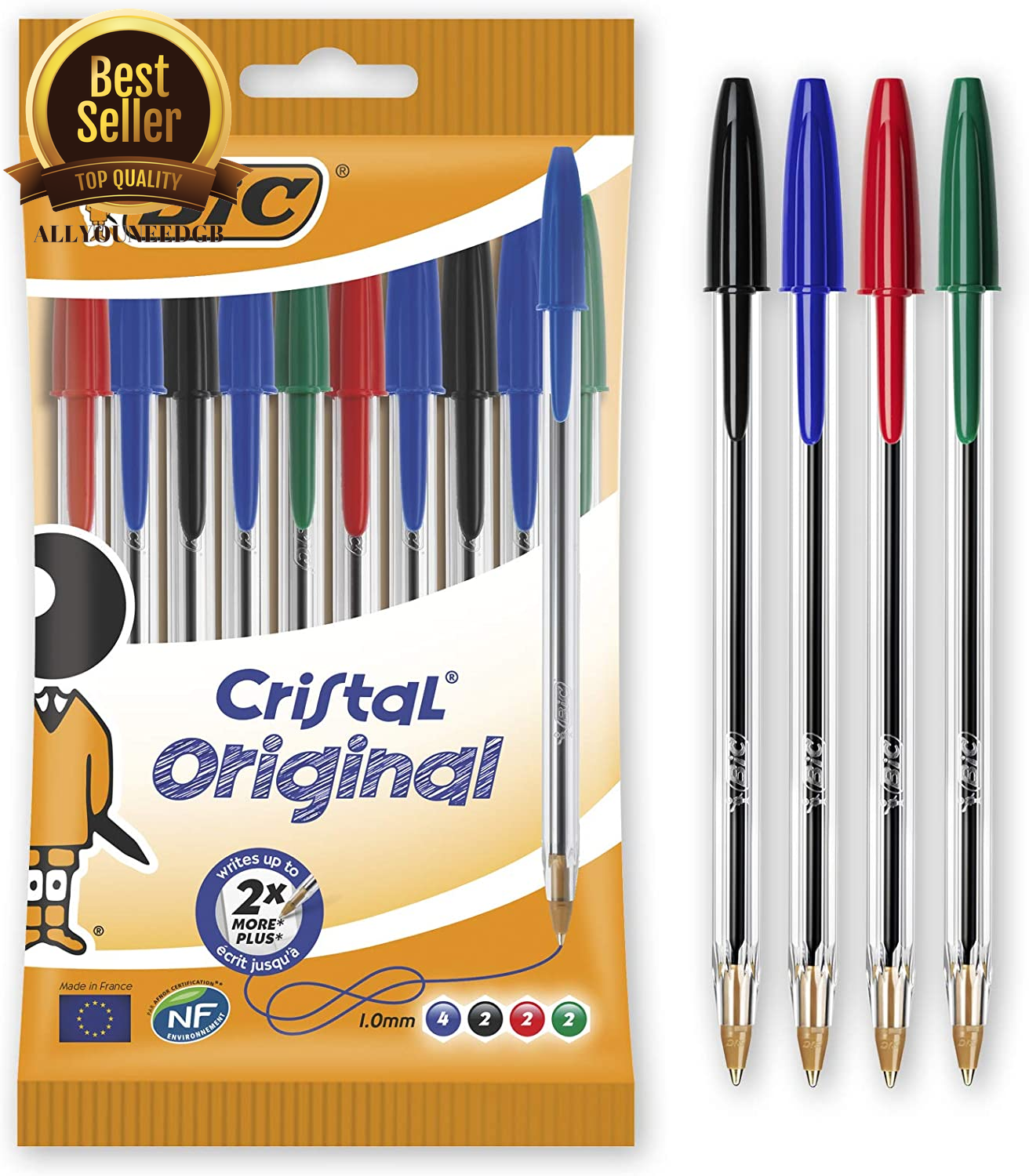
And now, I feel like I need a drum-roll here: After years of searching, and buying fountain pens, gel pens, roller balls, markers, and even pencils, I have come back to the pen that gave me thrills and comfort when I was a grammar school kid: The BIC Crystal stick pen! How ironic is that?

Bad Blood by John Carreyrou

It reads like a combined horror, suspense and true crime story, and that’s because it is all those things. Getting this book was totally random. I was surfing books on Amazon when I came across the thoroughly intriguing title, and when I saw its almost 5-star rating, it was a slam dunk order.

(Even though I have a Kindle, I still order most of my books in hard copy – its like the brick and mortar versus virtual classroom thing.)

Back to bleeding, er, uh Bad Blood.

Although the story is about a Silicon Valley start-up named Theranos, intrinsic to that is the story of its founder, a then 19-year-old Stanford University dropout named Elizabeth Holmes who eventually became the world’s youngest female self-made billionaire. Begun with her vision to make the world a better place, Elizabeth conceived of performing blood tests on people by drawing blood with a finger prick and running it through small, Theranos designed and built blood analyzers. However – there was a hitch–her system didn’t work.

Tests came back inaccurate and many were really run on the several traditional (big) analyzers the company had purchased from other manufacturers. People became panicked when results suggested imminent strokes and out-of-whack TSH values. Meanwhile, the more it didn’t work, the more Elizabeth explained things away with exaggerations that eventually segued into out-and-out lies.

Elizabeth is a striking woman whose idol was Steve Jobs of Apple. Her dream was to be the Steve Jobs of the medical world. She even emulated him in the way she dressed, with her black turtlenecks and slacks. One of her traits that startled many who met her was her voice.  Whether cultivated or natural, it was a deep, manly, baritone that didn’t pair with the blond, ruby-lipped stunner.

Elizabeth holding the small blood capsule

Elizabeth ran the company along with her live-in lover, Sunny Balwani. She had an amazing talent of attracting older, successful men to join her Board of Directors, including George Schultz, former U.S. Secretary of State and George Mattis, a former U.S. Secretary of Defense. Most of her board members were totally taken with this beautiful young woman with the deep voice who could spin yarns into amazing products that came unraveled before they were even real.

Sunny and Elizabeth ruled the company ruthlessly, never hesitating to fire someone on the spot, which they did with progressive frequency as employees began to realize they were partaking in what was soon to be deemed a fraud of major proportion.

Anyway, I have become obsessed with this story and its central figure, Elizabeth Holmes. Although technically a business-based story, this is really a read about an astonishing success story turned into ashes, overnight!

If you are looking for a great read of epic proportions, give Bad Blood a try.